DJ Hell
Munich’s first acid house party, a Limelight residency next to Jeff Mills and International Deejay Gigolo Records: four decades of DJ Hell, from techno to electroclash.
- German DJ and producer Helmut Josef Geier, born 6 September 1962 in Altenmarkt an der Alz, Bavaria.
- Founder of International Deejay Gigolo Records in Munich in 1996.
- His 1992 single “My Definition of House Music” on R&S sold more than 100,000 copies.
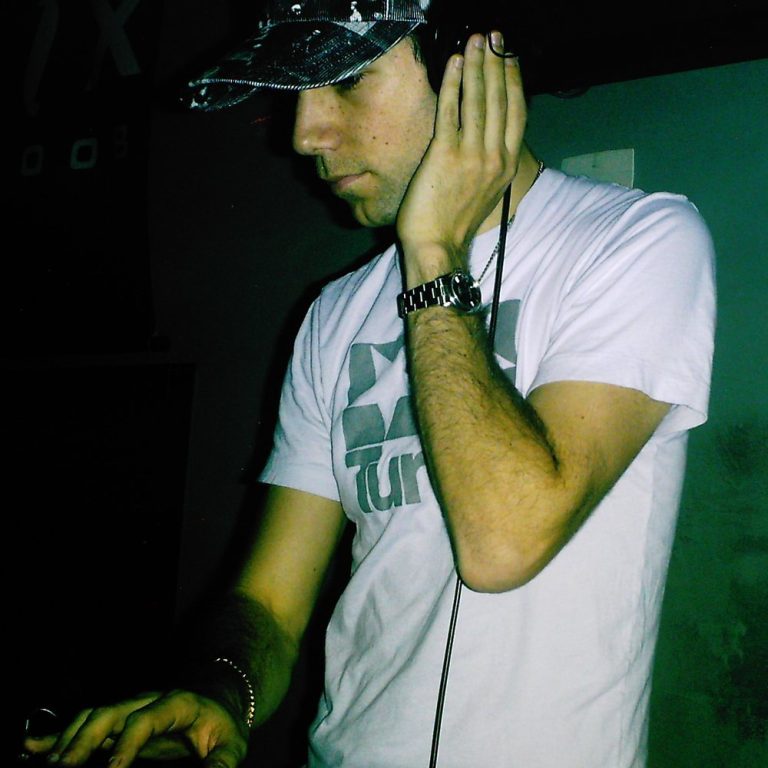
DJ Hell has been playing records since 1978. Along the way he threw Munich’s first acid house party, played alongside Jeff Mills in New York, and built International Deejay Gigolo Records, home to Miss Kittin & The Hacker, Fischerspooner and Tiga.
Bavarian clubs and Munich’s first acid party
Helmut Josef Geier was born on 6 September 1962 in Altenmarkt an der Alz, in Bavaria. From 1983 he held a residency at Club Libella in Kirchweidach, then played Munich’s Park Café and Tanzlokal Grössenwahn. In 1987 he organised Munich’s first acid house party. In 1991 he helped set up Peter Wacha’s label Disko B, where he worked in A&R until 1996, and remixed its first release, Silicon Soul’s “Who Needs Sleep Tonight”.
“My Definition of House Music”
His own breakthrough came in 1992. “My Definition of House Music”, released on R&S, became a club hit and sold more than 100,000 copies. He held a residency at Ultraschall, Munich’s first club dedicated to techno, until 1997, and in 1992 also became A&R manager at Logic Records in Frankfurt. In 1993 he lived in New York and played the Limelight with Jeff Mills; in 1994 he moved to Berlin, worked at the Hard Wax record shop and released his debut album, Geteert & Gefedert, on Disko B. In 1995 he was the only German DJ invited to record a John Peel Session.
International Deejay Gigolo
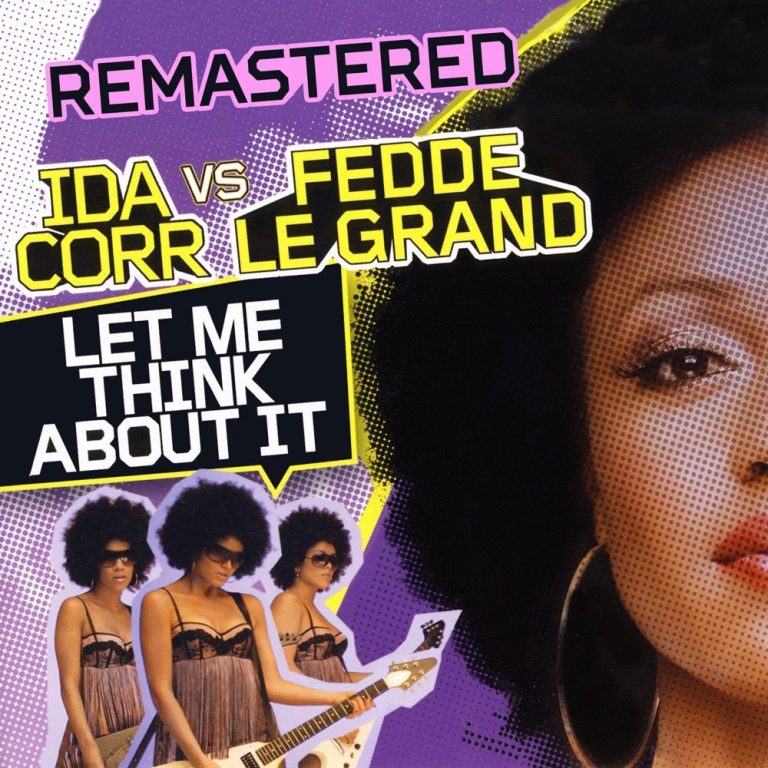
In 1996 he founded International Deejay Gigolo Records in Munich, acting as its A&R and art director. Its roster included Jeff Mills, Miss Kittin & The Hacker, Dave Clarke, Tiga, Fischerspooner (a Hell discovery), Dopplereffekt, Vitalic, The KLF, Tuxedomoon and Laurent Garnier, with more than 300 singles and albums between 1996 and 2016. Miss Kittin later turned up on the Rumors label of Guy Gerber.
His 1998 album Munich Machine (Disko B/V2) was credited by The Guardian with helping to set off electroclash. Not everything went to plan: in 1999 Arnold Schwarzenegger sued the label over the use of his picture in its logo, and Hell had to pay a 150,000-euro fine.
NY Muscle, Teufelswerk and later work
From 2000 to 2003 he also ran his own club, Villa Traunstein. NY Muscle (2003) brought in Alan Vega, Erlend Øye, James Murphy and Billie Ray Martin, and GQ named him its music Man of the Year. The double album Teufelswerk (2009) featured Bryan Ferry, Peter Kruder and P. Diddy. Fashion became a second stage: he produced music for shows by Hugo Boss, Raf Simons and Donatella Versace, and was musical coordinator for designer Michael Michalsky from 2007 to 2010. Karl Lagerfeld photographed him for V Magazine in 2004, and he later produced DJ mixes for Balenciaga’s 3D art videos.
His 2013 remix of Tim Deluxe’s “Transformation” topped Beatport’s techno chart for nine weeks. Zukunftsmusik (2017), his fifth album, was co-produced with Peter Kruder in Vienna; its lead single, “I Want U”, used Tom of Finland artwork. In 2019 he scored the film Yung, and in 2020 he launched The DJ Hell Experience label; its album House Music Box was FAZEMAG’s album of the year.
FAQ
What is DJ Hell’s real name?
Helmut Josef Geier. He was born on 6 September 1962 in Altenmarkt an der Alz, Bavaria.
What is International Deejay Gigolo Records?
The label DJ Hell founded in Munich in 1996. It released Miss Kittin & The Hacker, Fischerspooner, Tiga, Vitalic, Dopplereffekt and Jeff Mills, with more than 300 releases by 2016.
What is DJ Hell’s best-known track?
“My Definition of House Music”, released on R&S in 1992. It became a club hit and sold more than 100,000 copies.