Marshall Jefferson
A Chicago post office worker with a credit line and a piano riff in his head: how Marshall Jefferson made Move Your Body, produced Acid Tracks and built Ten City.
- Chicago producer and DJ, born 19 September 1959.
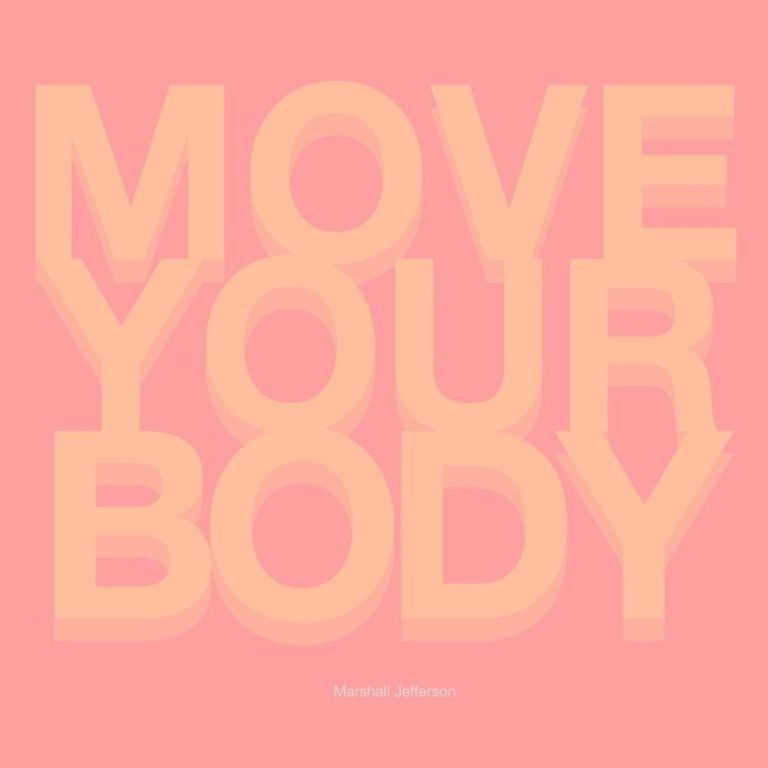
- Made “Move Your Body” (Trax, 1986), widely described as the first house record to use piano.
- Produced Phuture’s “Acid Tracks”, Sleezy D’s “I’ve Lost Control” and the group Ten City.
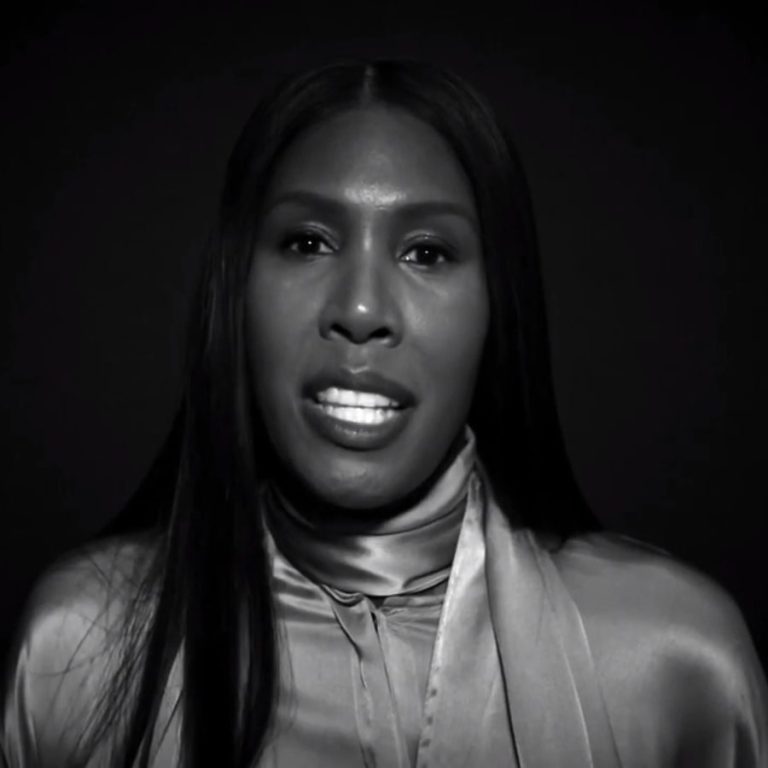
Marshall Jefferson was working at a Chicago post office when he started making house music. Within two years he had written one of the genre’s anthems, run A&R at Trax Records and produced the record that started acid house. He is sometimes called the father of house music; his catalogue explains why.
A post office worker with a credit line
Jefferson was born in Chicago on 19 September 1959. In 1985, still working at the post office, he bought a home studio on a line of credit from his job, reportedly about $9,000 of gear: a Yamaha synthesizer, a sequencer, a keyboard, a drum machine and a mixer. He wrote his first song two days later.
The idea for his best-known record also came at work. “I heard it in my head on my job at the Post Office,” he told Test Pressing. Co-workers Curtis McClain, Rudy Forbes and Thomas Carr helped with the verse and backing vocals, and McClain sang lead, uncredited.
Move Your Body and Trax
His friend Derrick Harris, known as Sleezy D, took a cassette of the track to Ron Hardy at the Music Box, and one night in August 1985 Hardy played it six times in a row. Trax owner Larry Sherman was less convinced: a song with piano, he said, was not house music. Jefferson answered by adding “The House Music Anthem” to the title. Trax finally released “Move Your Body” in June 1986, credited to Marshall Jefferson rather than On the House, the group name he had planned.
He had already released as Virgo, starting with “Go Wild Rhythm Tracks” on Trax, and by 1986 he was the label’s head of A&R. He produced Sleezy D’s “I’ve Lost Control”, a major club record, and then the release that made Phuture’s name: “Acid Tracks”, issued on Trax in 1987. That March, NME reported that Jefferson and Frankie Knuckles were in Britain for the first house music tour.
Deep house and Ten City
Jefferson also helped steer Chicago towards a softer, more soulful sound. He produced deep house records for CeCe Rogers and Sterling Void, and recorded under names such as Jungle Wonz and Truth. At Trax he met singer Byron Stingily, whose group Ragtyme, with guitarist Herb Lawson and keyboard player Byron Burke, became Ten City with Jefferson as producer and signed to Atlantic. Their debut album Foundation came out in 1989, and its single “That’s the Way Love Is” went to No. 1 on the US dance chart and No. 8 in the UK.
The UK years and a long afterlife
Jefferson stepped away from music in 1990 and returned to DJing in 1993. He moved to England, first to Billericay in Essex, where he held a five-year residency with the Tribal Gathering and Big Love events, and later settled in Manchester.
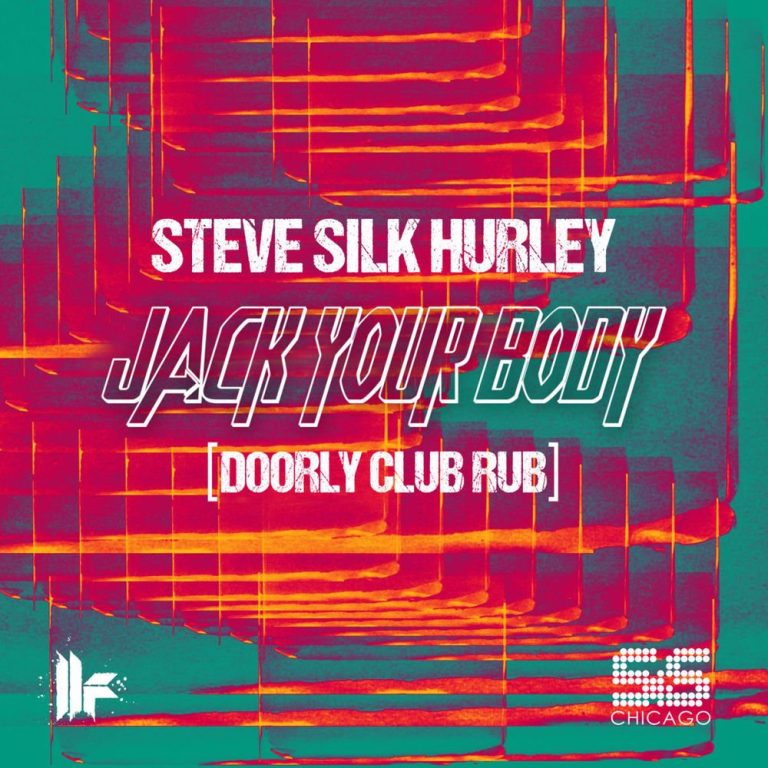
In 2019 the Manchester duo Solardo remixed “Move Your Body”, taking it back to festival stages. Two years later he reunited with Stingily for “Be Free” on Ultra Music, the first Ten City single in 25 years. In 2024 he appeared in the PBS series Disco: Soundtrack of a Revolution. For more on the Chicago records around him, read about Jamie Principle and Steve “Silk” Hurley’s “Jack Your Body”.
FAQ
Who is Marshall Jefferson?
A Chicago house producer and DJ, born on 19 September 1959. He made “Move Your Body” (1986) and produced records for Phuture, Sleezy D and Ten City.
Was Move Your Body the first house record with piano?
It is widely described as the first house song to use piano. Trax boss Larry Sherman first turned it down for exactly that reason.
What is Ten City?
A Chicago house and R&B group built around singer Byron Stingily, produced by Jefferson. Their 1989 single “That’s the Way Love Is” reached No. 1 on the US dance chart and No. 8 in the UK.